
Walk to the end of Main Street at Disneyland and you reach a circular space commonly referred to as "the hub," where paths branch out to a variety of lands to explore. In a 2001 interview, longtime Disney Imagineer John Hench described why Walt Disney built it in, so families could stop and decide where to go next. "Here's where they make that plan." The choice is still the guests', but the space is designed around how real families make it, pausing for a moment, gathering the kids, and making a plan together.
I had the chance to support Disney Imagineering's research while I was part of Disney Studios. I came away admiring how closely they study how guests actually behave. That focus on real behavior is what behavioral economics is about. The field looks at how people make decisions in real life, where time, attention, and surroundings all shape what we choose. Context plays a big part, including how we feel, what we expect, and what's in front of us.
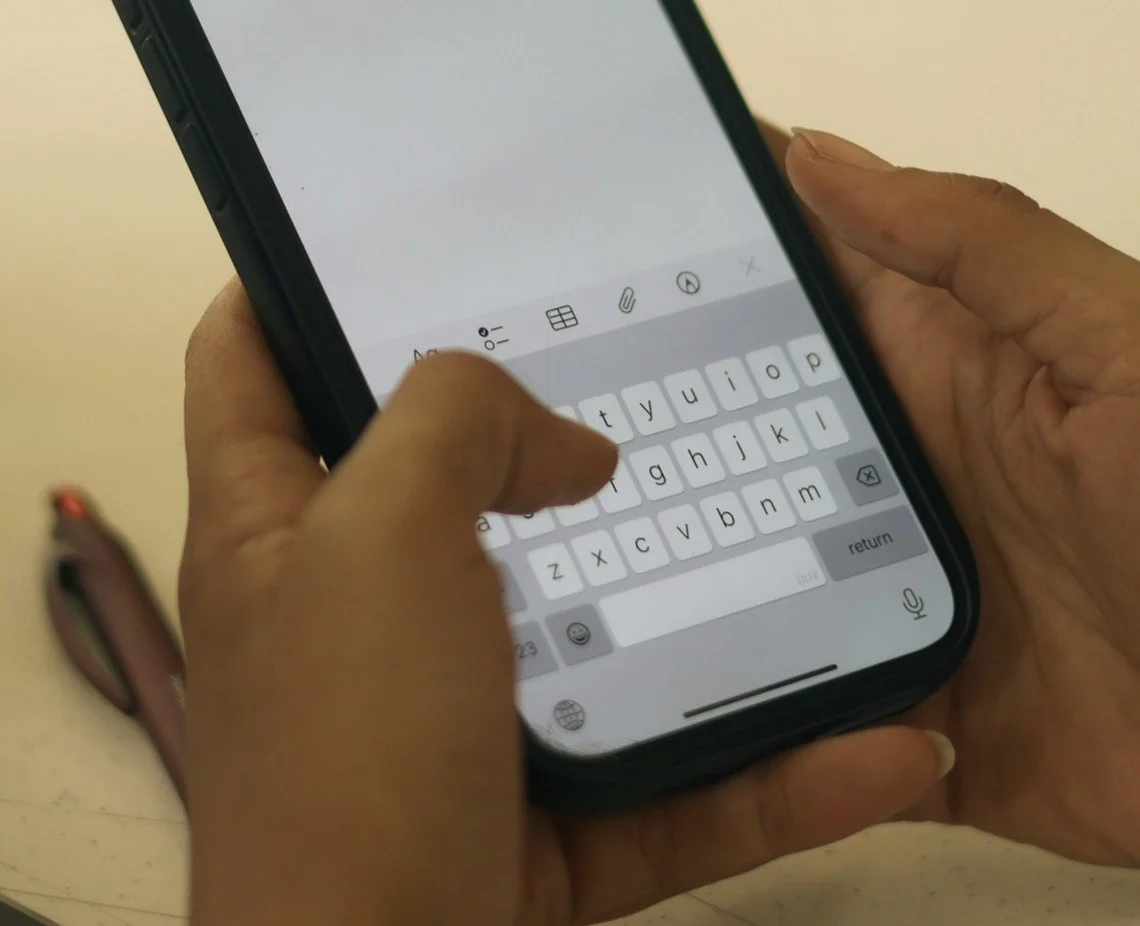
Digital products have their own hubs. Think about the second before sending a reply written in frustration. What's in front of you shapes that choice too. In Thinking, Fast and Slow, Daniel Kahneman describes fast, automatic thinking that runs most of our day, and slower, deliberate thinking that takes effort. A message written in anger tends to be an instinctive response, sent before slower thinking has a chance to weigh in.
In 2021, researchers at Twitter tested a pause for replies that looked likely to be harmful. The idea was to slow down that second before sending, when fast thinking tends to take over. A prompt asked the person whether they wanted to review the reply first. They could send the reply as written, edit, or delete. Nothing was blocked.
The team shared the results in a 2021 publication titled "Reconsidering Tweets." It describes a randomized experiment of that reply prompt with 219,052 users over six weeks. Of the replies that triggered the prompt, about 69% were sent as written, 22% were revised, and 9% were cancelled. Across the group, offensive replies per user fell about 6%, and total replies showed no significant change, so the pause didn't appear to quiet the conversation. The authors note that interventions like this are subject to novelty effects. The cancellation rate for the first prompted reply was 11%, and it decreased with each additional prompt, which may reflect novelty wearing off, people changing their own behavior, or both. They suggest changing the copy, design, or interactions over time. For a product team, that raises a useful question about how long any nudge stays effective.
So what is a nudge? Richard Thaler and Cass Sunstein, authors of Nudge, define it as any feature of how a choice is presented that changes behavior in a predictable way, without forbidding any option or significantly changing incentives. Predictable describes the direction, not the size. Twitter's prompt is a nudge. Everyone stayed free to send, and about one in six prompted replies were cancelled or revised to be less offensive (9% cancelled plus an estimated 8% revised to a less offensive version).
A good nudge should be easy to decline, honest about what it is, and aimed at what people would want on reflection. Most of us would probably rather not send the message we'll regret.
The people who design these choices have a name too. Thaler and Sunstein call anyone responsible for organizing the context in which people make decisions a “choice architect”. Walt was one when he built the hub, and the Twitter team was one when it designed the prompt.
Both designers built a pause and left the choice with the person. If you build products, you're a choice architect whether you mean to be or not, so test what's in front of people and measure what happens next. Whether it's a guest, a user, or a player, the best experiences are the ones people would gladly choose again.